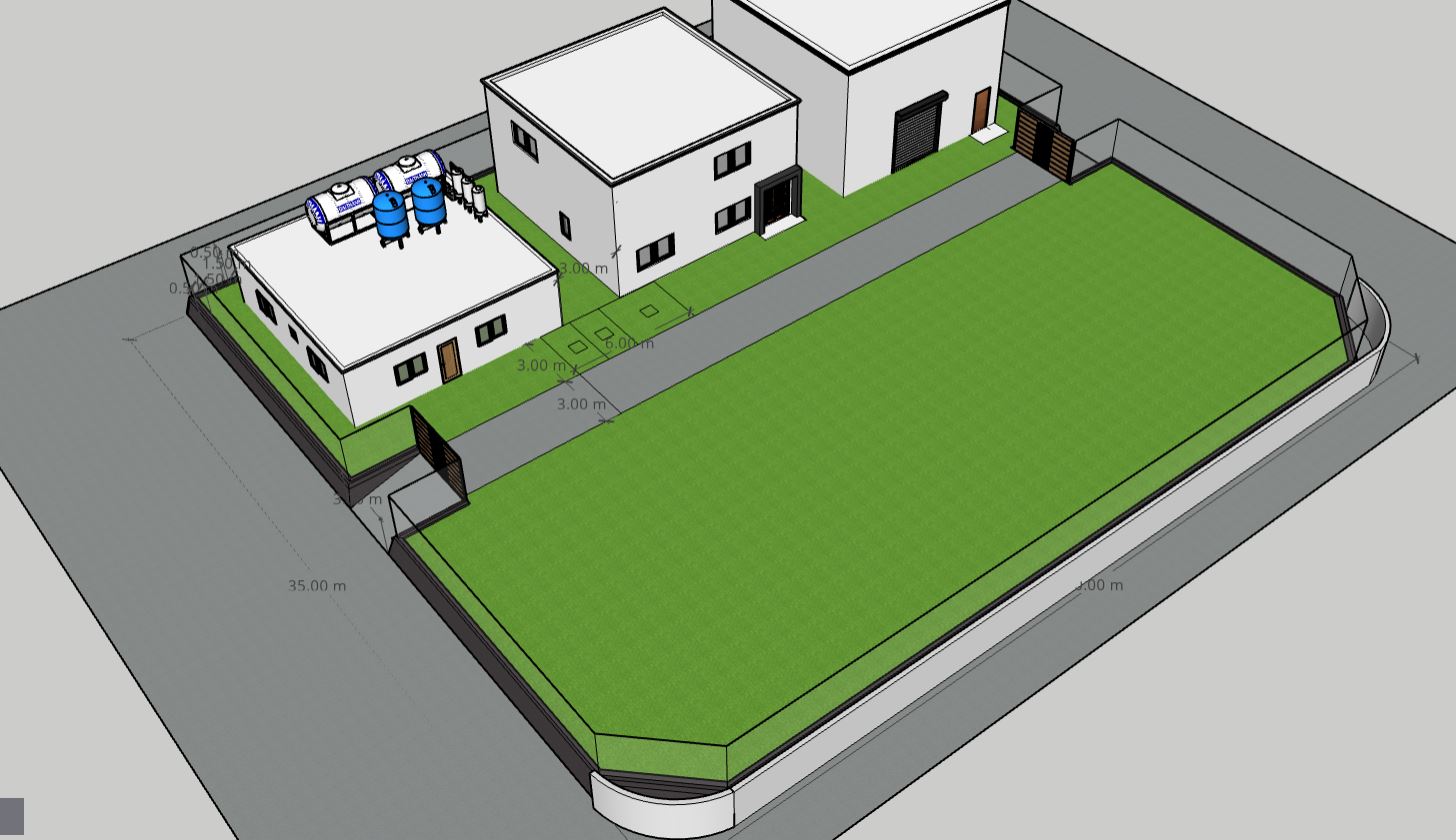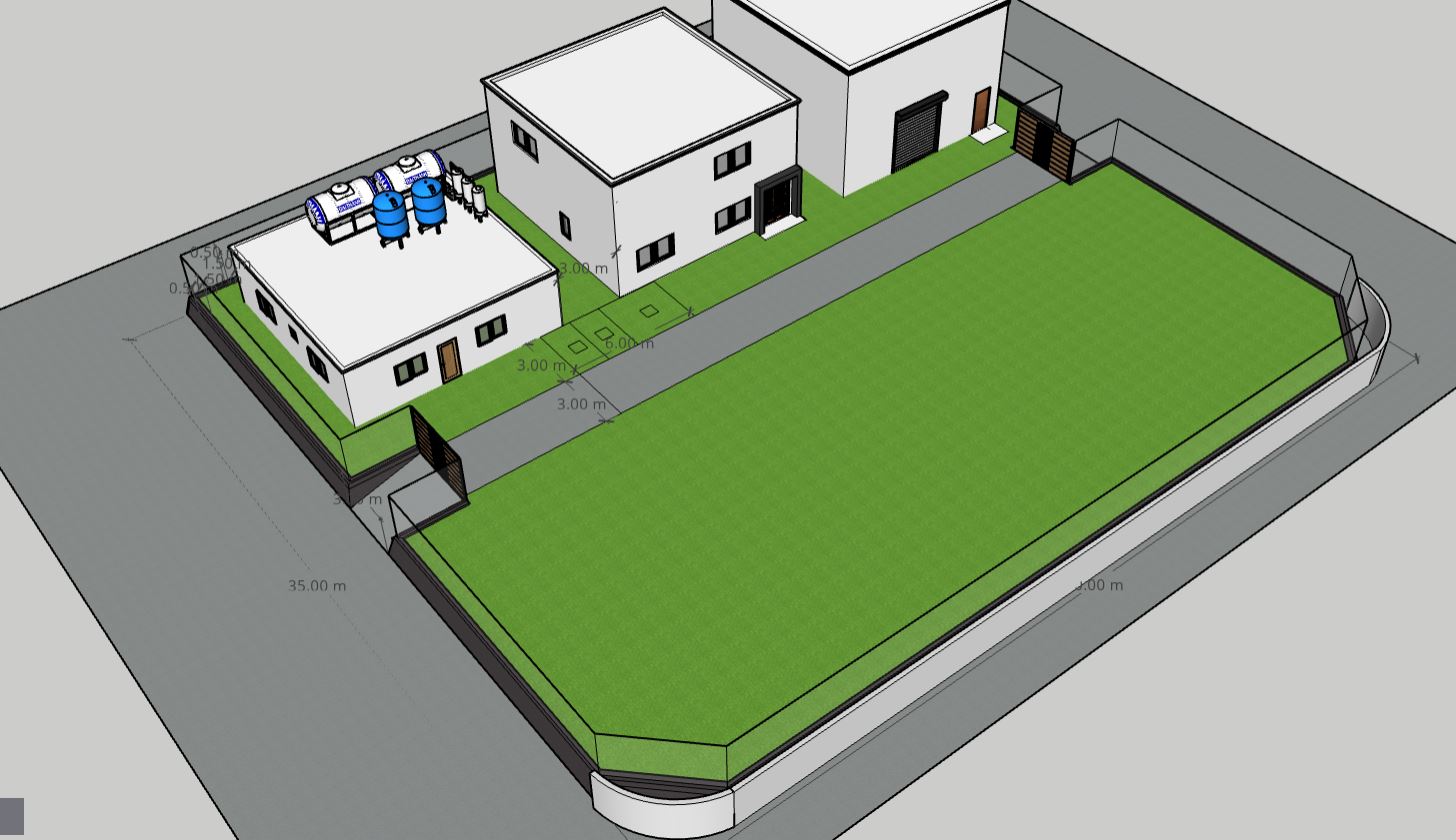
A residential project in Balabag, Pavia, Iloilo, demonstrates how even a modest house can incorporate sophisticated water treatment technology to serve an entire property.
Not every interesting house needs to be large, expensive, or architecturally extravagant.
Sometimes, the most interesting residential projects are those that have been designed around a very specific purpose. They may look simple from the outside, but a closer examination reveals thoughtful planning and practical engineering solutions that make them quite different from ordinary homes.
This particular project in Barangay Balabag, Pavia, Iloilo, is a good example.
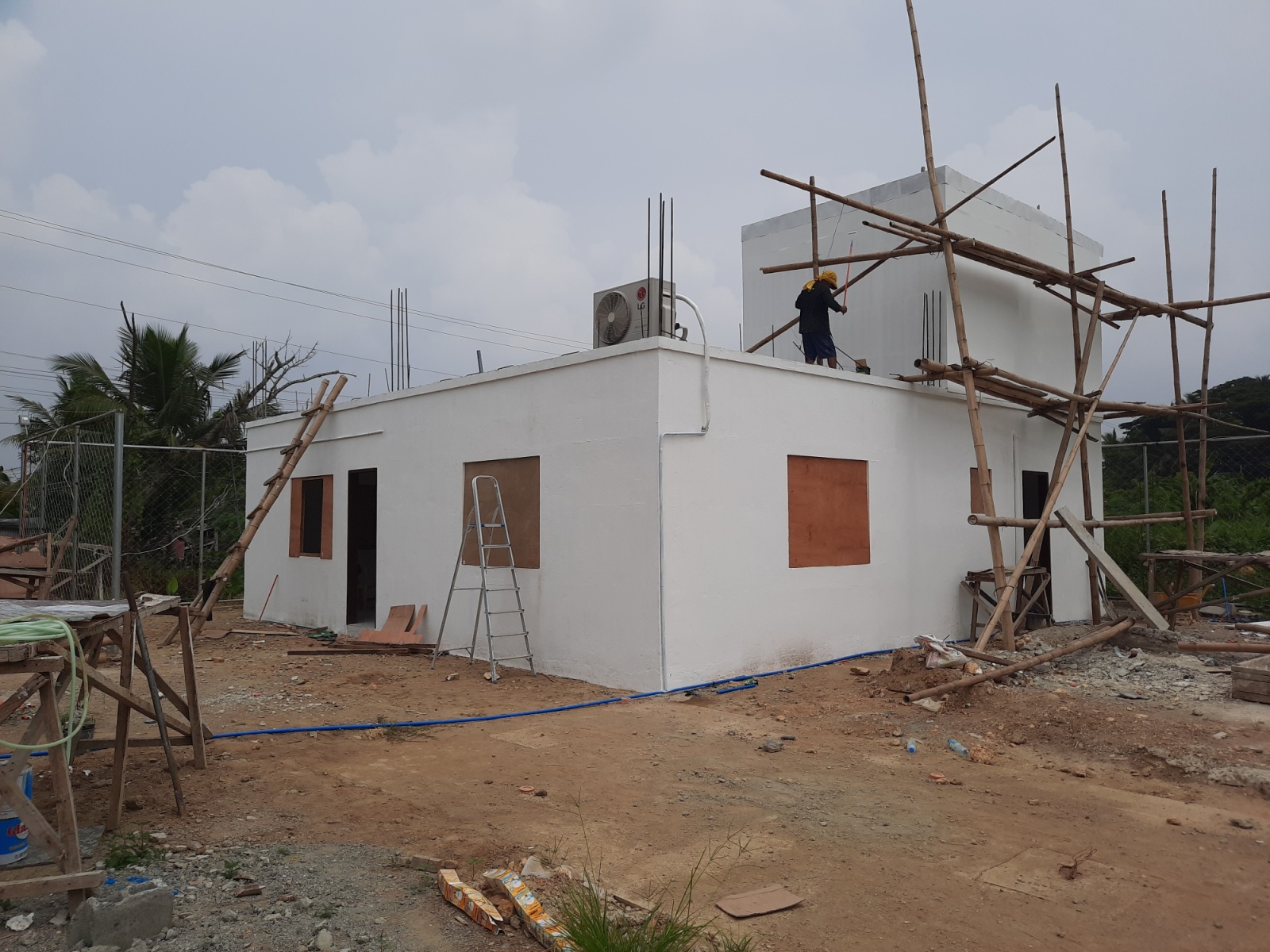
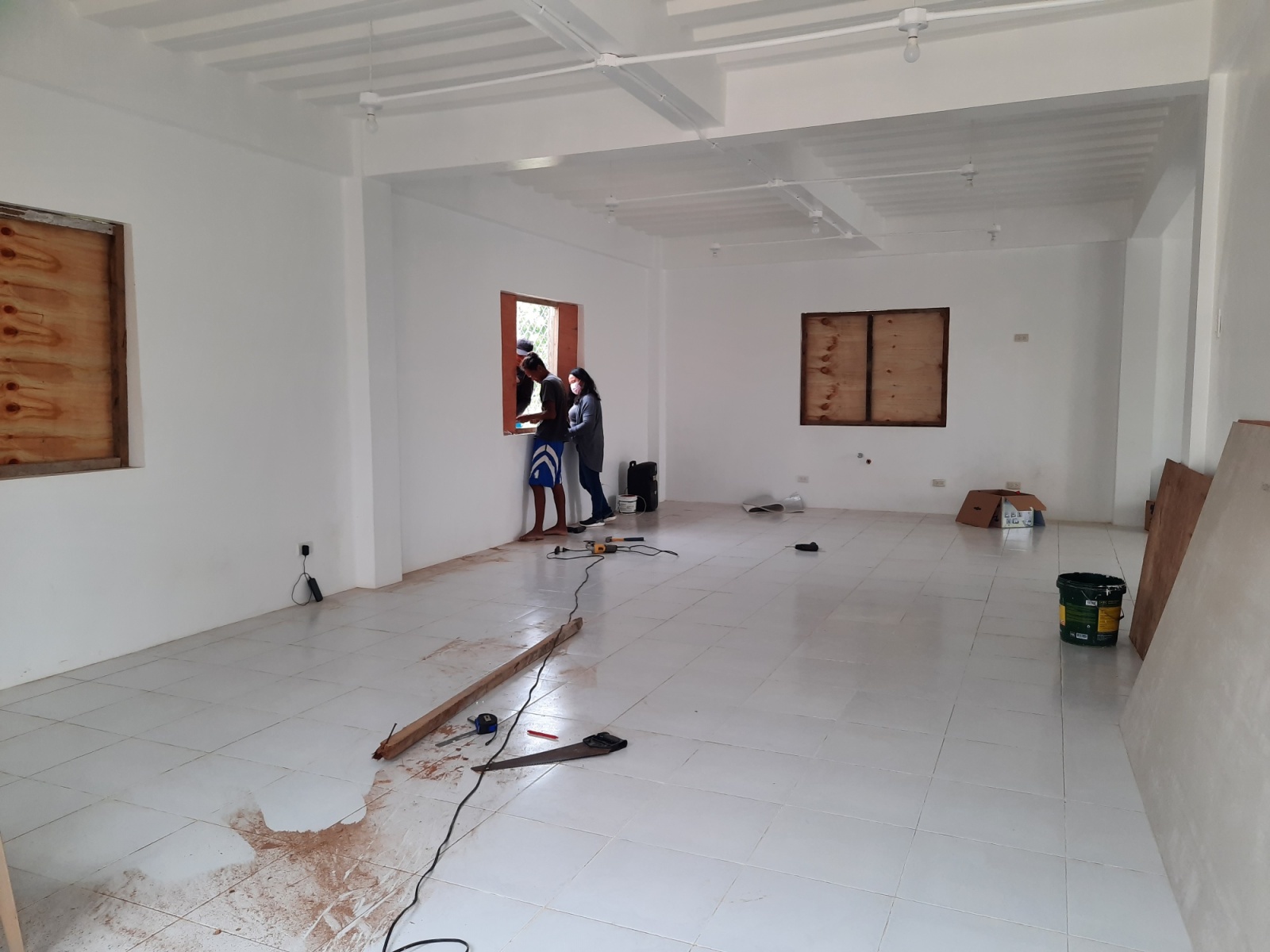
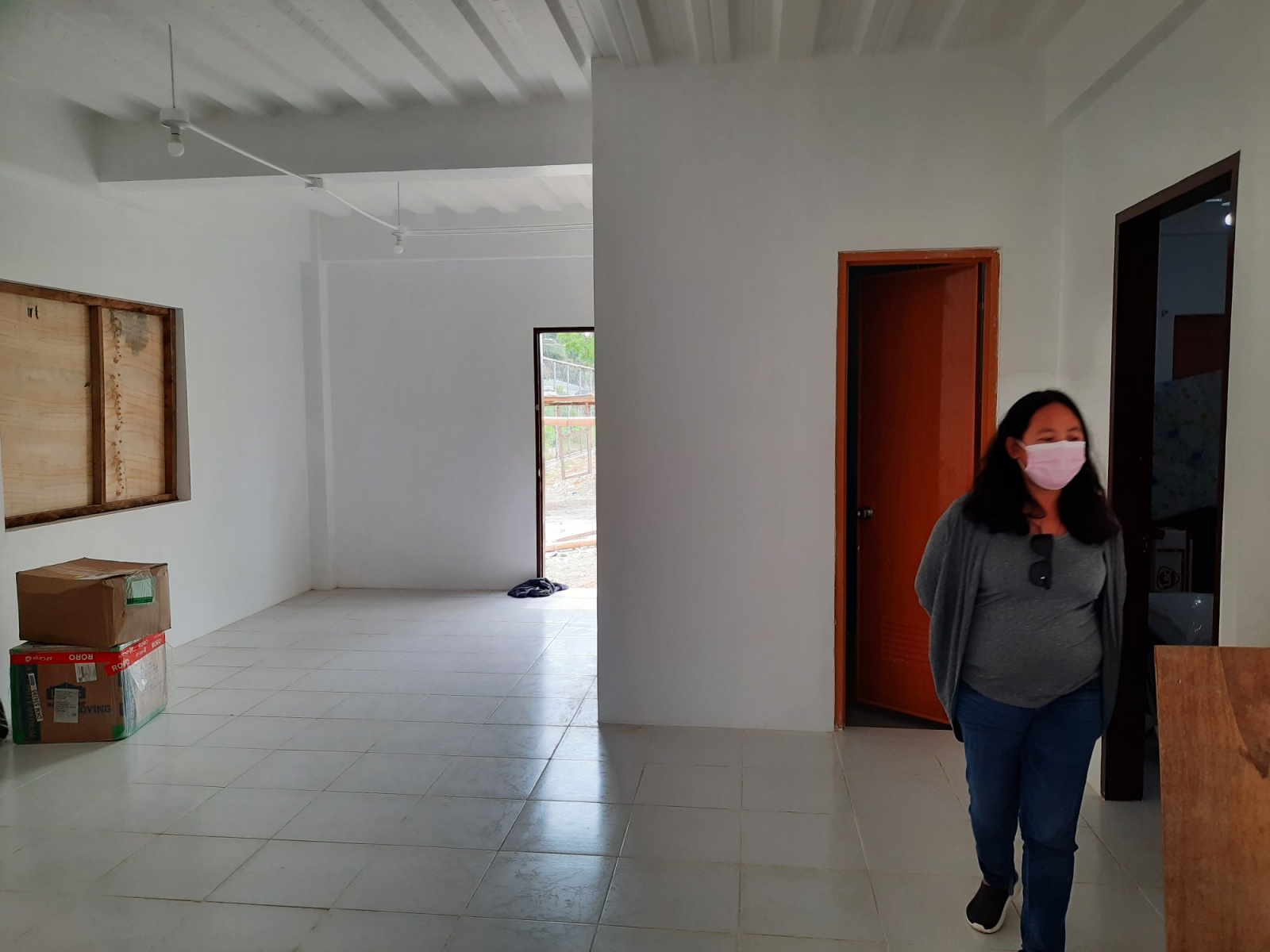
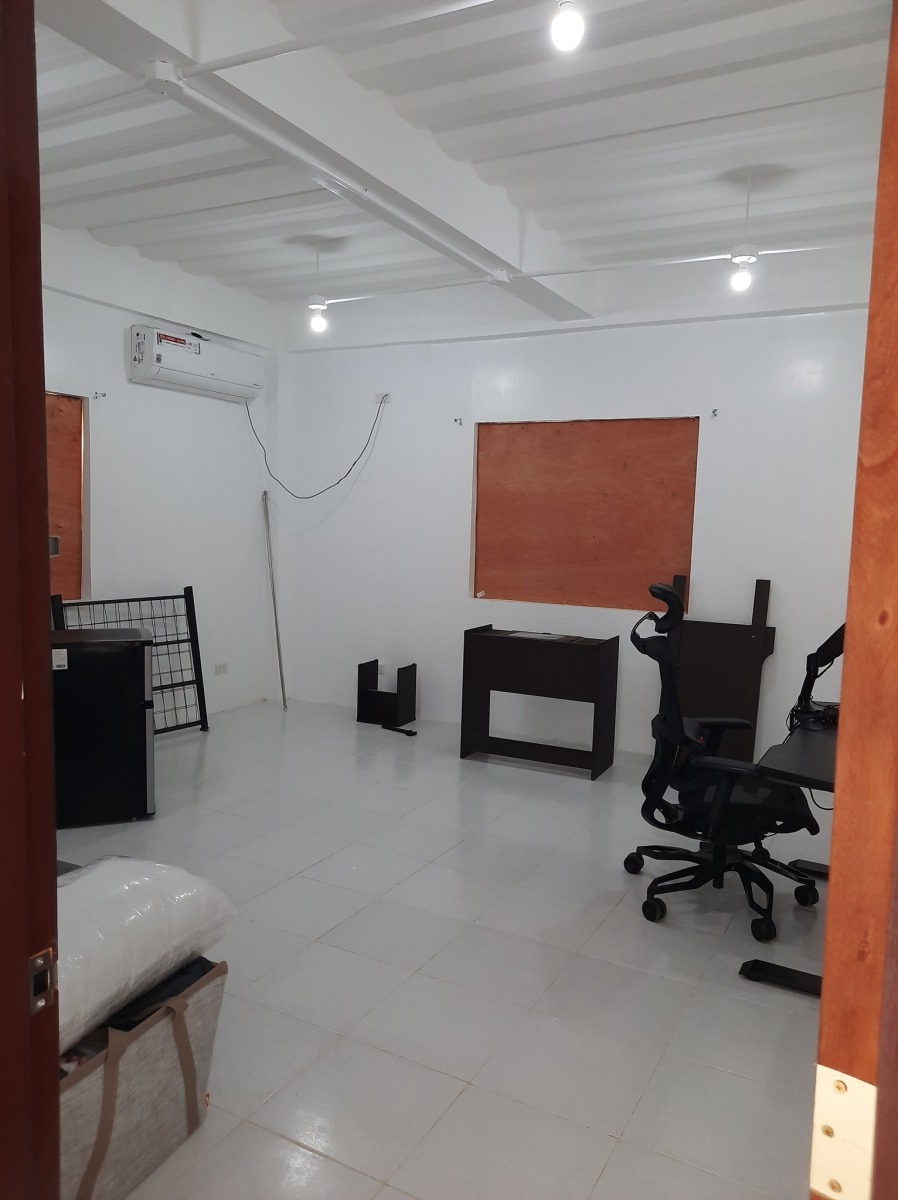
At first glance, it is a relatively small, minimalist, cubist-style house with a large bedroom and a spacious bathroom. Its simple square architectural form was intentionally chosen to maximize the available space without unnecessary architectural complications.
But there is something rather unusual about this property.
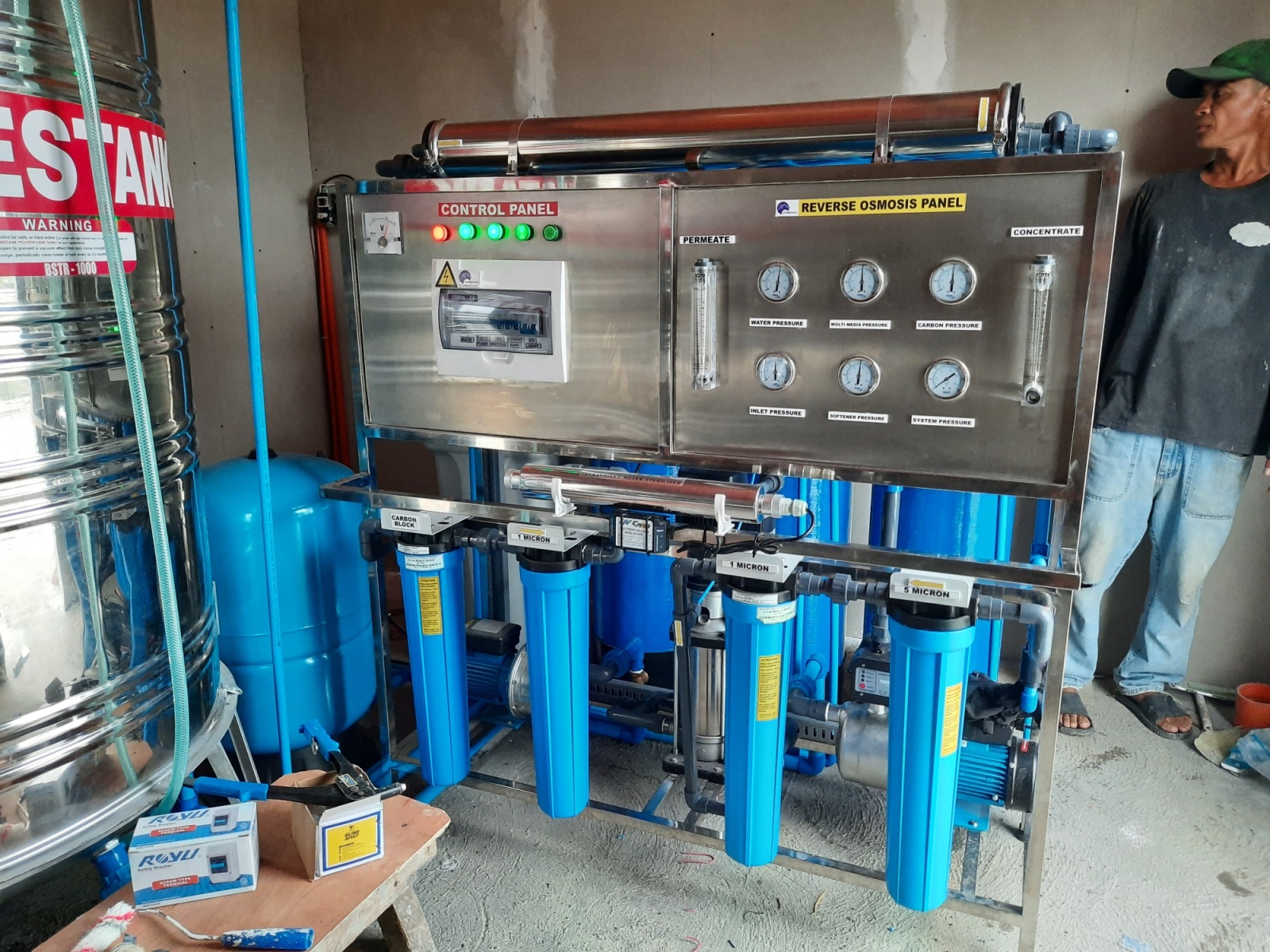
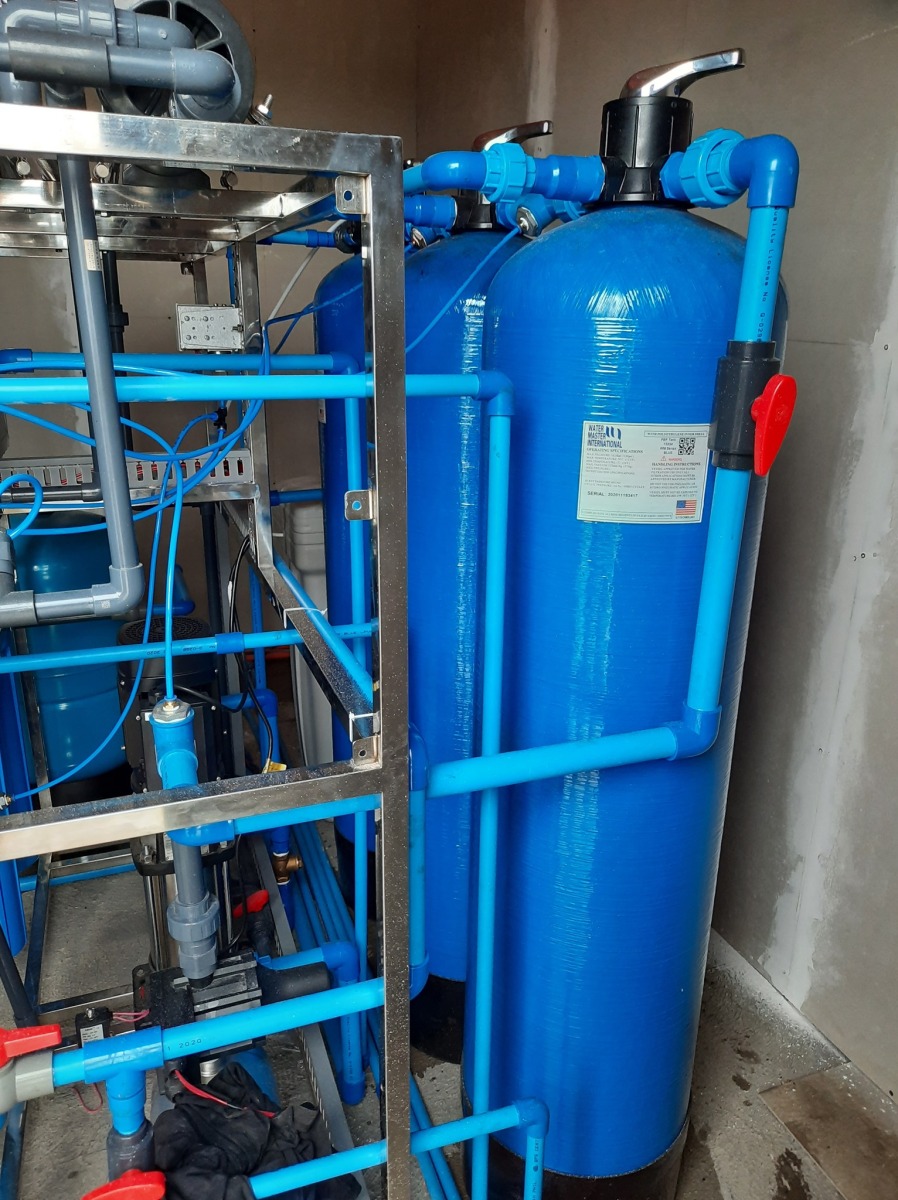
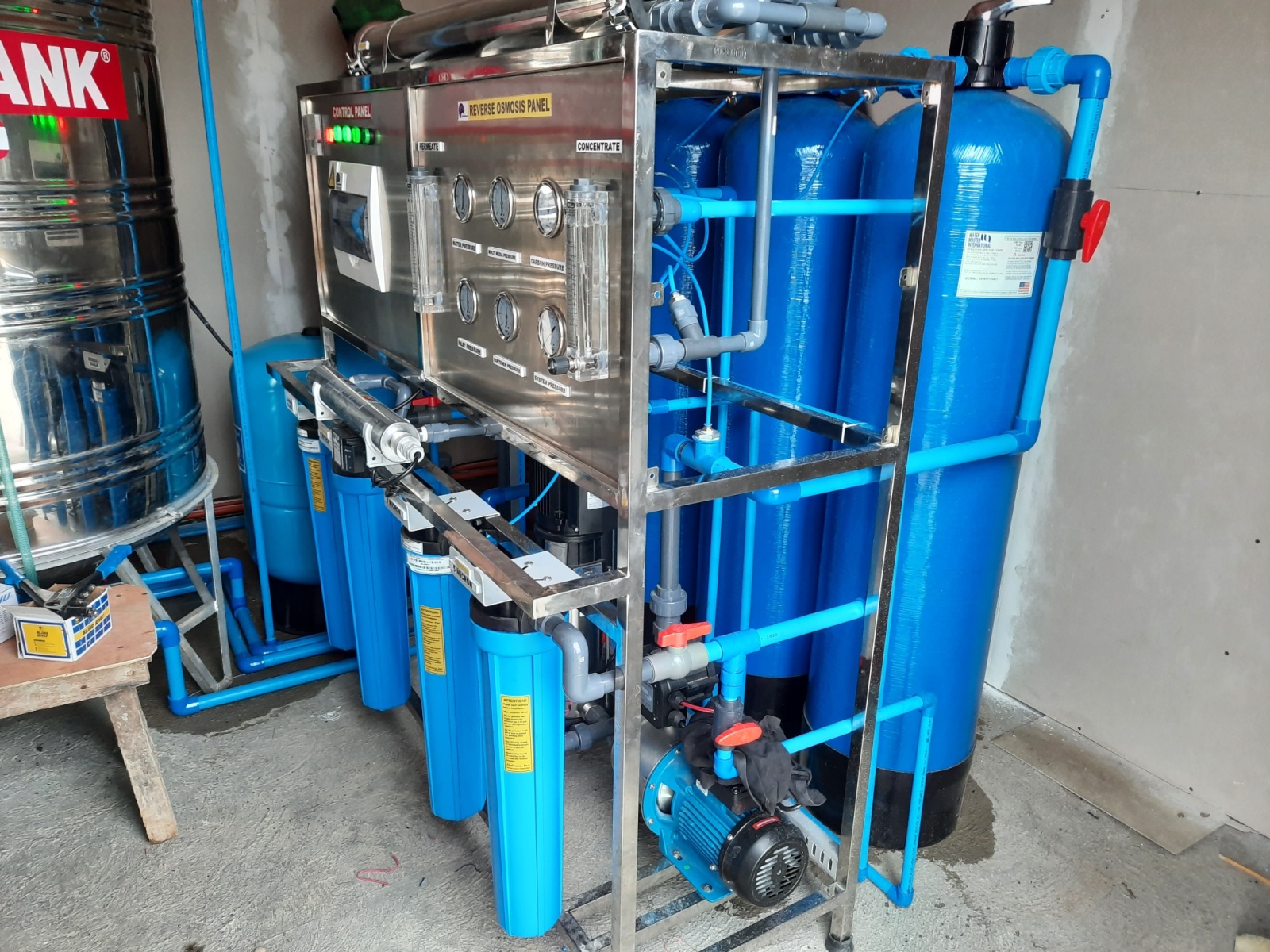
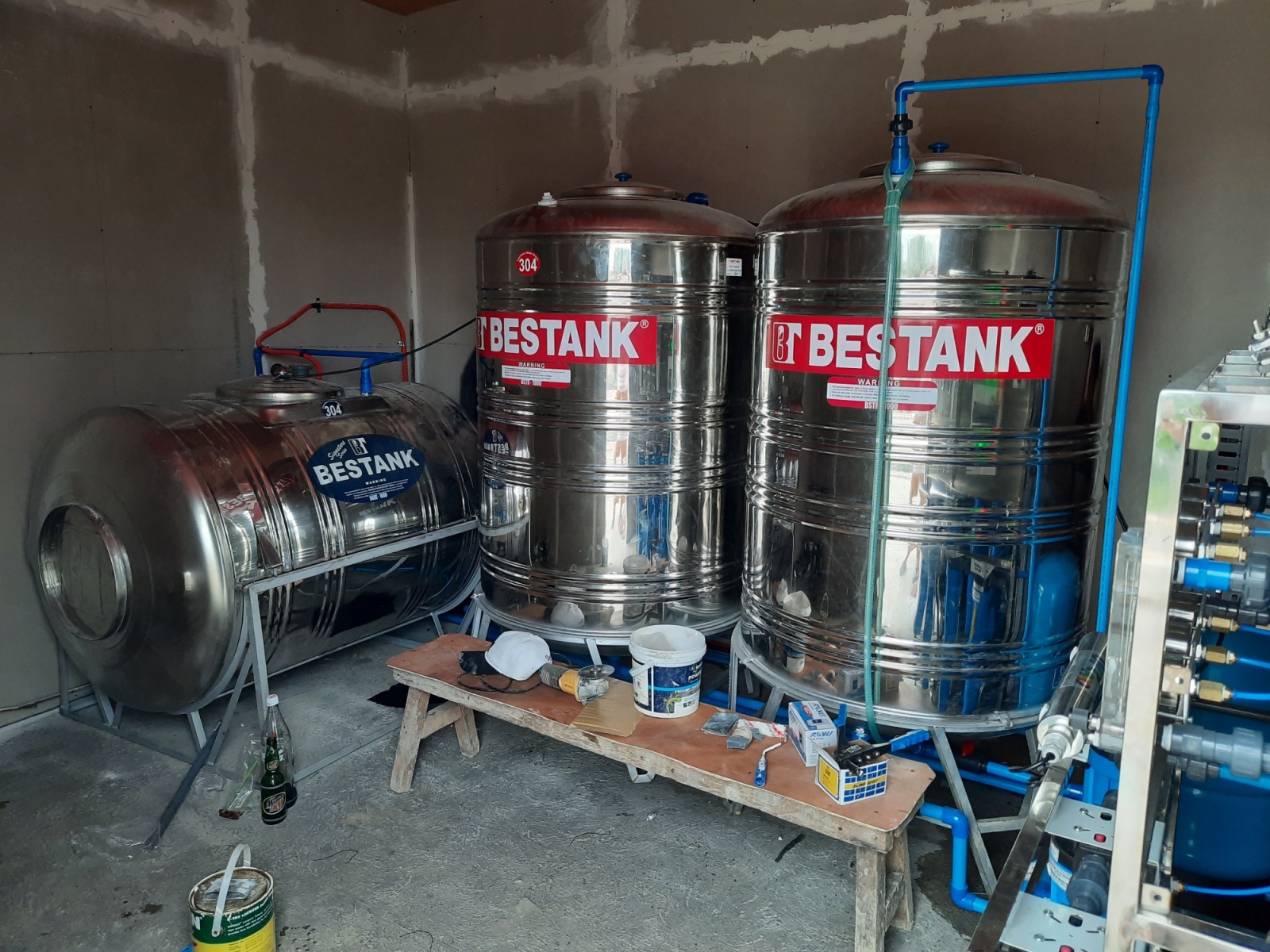
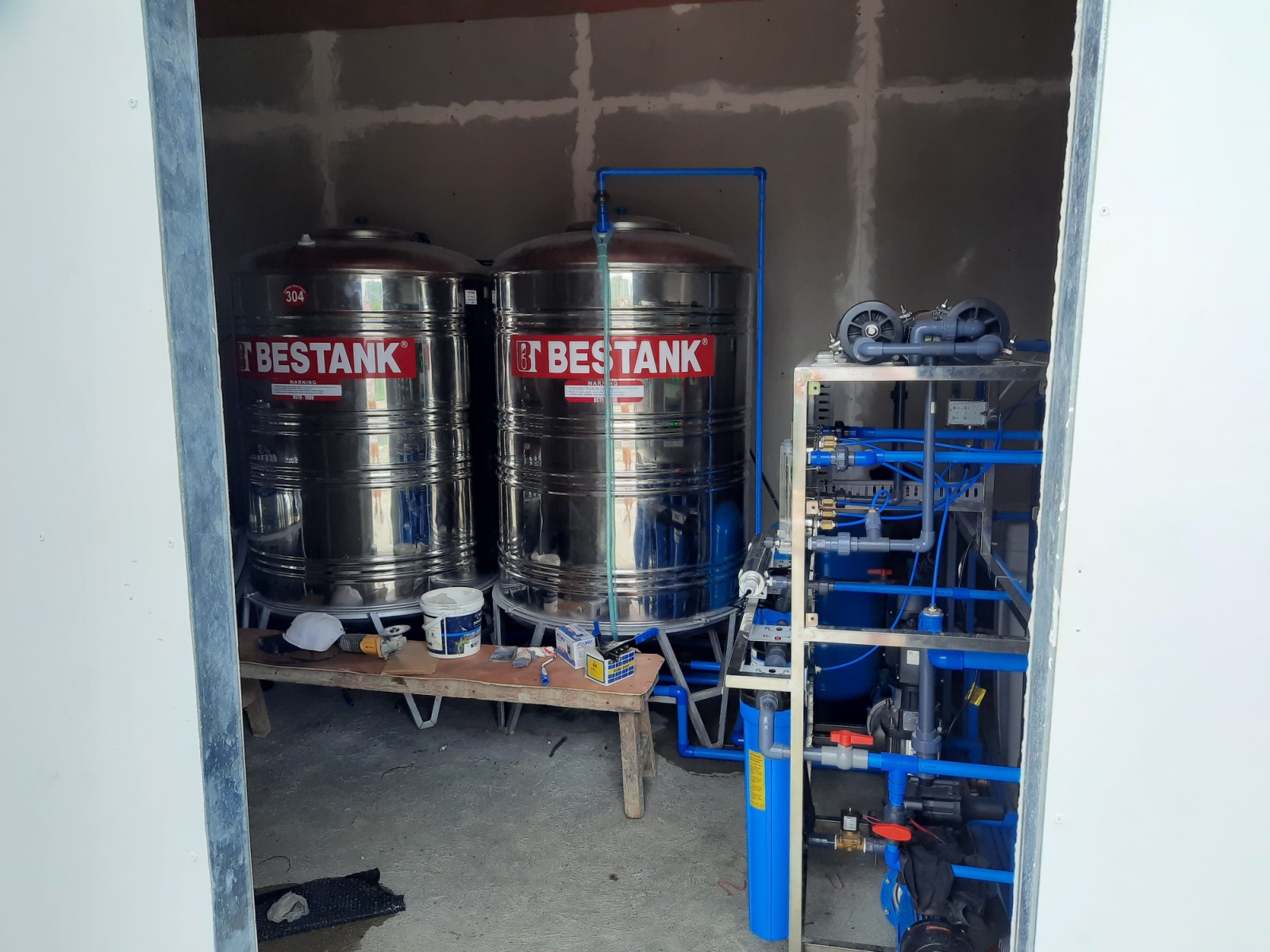
Installed as part of its water supply infrastructure is an industrial-scale water softening and reverse osmosis filtration system, a treatment facility considerably larger than what one would normally expect to find in an ordinary residential house.
And there is a good reason for it.
The house is located within an approximately 1,400-square-meter fenced property envisioned as a cat shelter. The owners also planned to construct three additional houses within the compound. Consequently, the water treatment installation was designed with the requirements of the larger property in mind rather than just the needs of the first house.
It is an interesting example of how construction planning should consider the entire property, including its future developments, instead of concentrating exclusively on the first building.
Why Build a Simple House Instead of an Elaborate One?
The architectural concept of this house is deliberately uncomplicated.
Its modern cubist appearance relies on simple geometric forms, straight lines, and an efficient arrangement of interior spaces.
There is a practical reason behind this decision.
When a property has a larger purpose beyond simply providing accommodation, it makes sense to allocate the available space and construction budget according to its actual requirements.
In this case, the owners wanted to establish a facility where cats could be sheltered, cared for, and fed. The compound therefore needed sufficient open space, accessible circulation, appropriate fencing, and essential utilities.
Building an unnecessarily elaborate residence would have taken away space and resources that could be used for the property’s primary purpose.
A simple architectural design can be a sensible solution when the priorities are functionality, maintainability, and efficient use of land.
This is something we have always appreciated in residential construction. A good house does not necessarily have to be complicated. It simply needs to work well for the people who will use it.
An Industrial-Scale Water Softening System for a Residential Compound
The most distinctive feature of this project is undoubtedly its water treatment installation.
Most ordinary houses in the Philippines rely on relatively simple water filtration equipment, usually consisting of a sediment filter, a carbon filter, or a small drinking-water purifier.
However, this property required a considerably larger arrangement.
The water treatment system was intended to accommodate not only the first residential building but also the three additional houses planned for the compound.
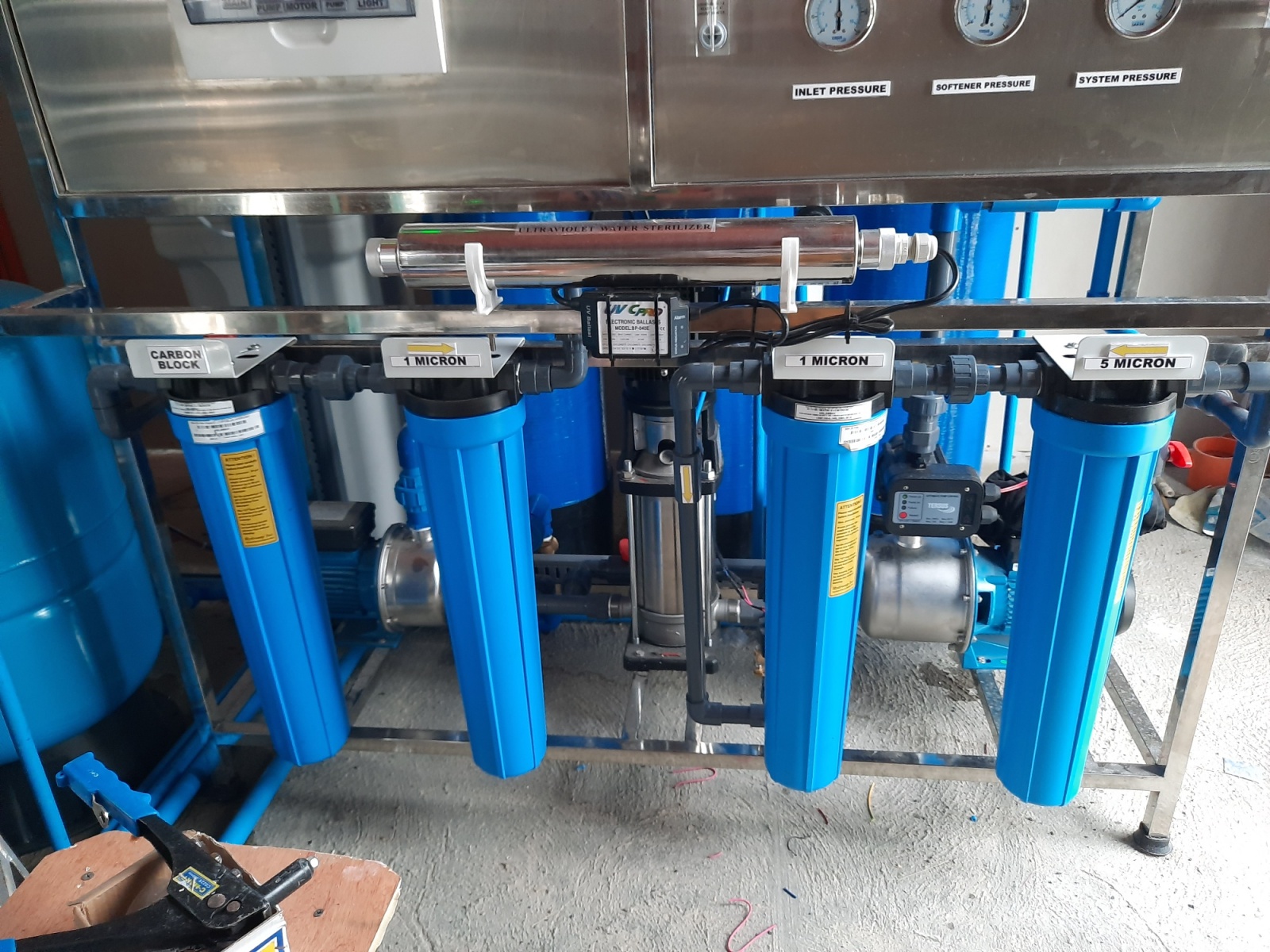
The installation incorporates several filtration and treatment stages, each serving a different purpose.
1. Sand and Sediment Filtration
The first stage involves sediment filtration.
Depending on the source water and the filter media used, this stage helps reduce suspended particles such as sand, soil, rust, silt, and other physical impurities.
This is particularly useful when dealing with water supplies that may contain sediments originating from wells, storage tanks, or distribution systems.
Removing these particles before water reaches the subsequent treatment equipment also helps protect the more delicate components of the system.
2. Activated Carbon Filtration
The next stage uses activated carbon.
Carbon filtration is commonly used to reduce chlorine, unpleasant odors, and certain organic compounds that may affect the taste and smell of water.
This is particularly important when the incoming water has an unpleasant odor or a noticeable chlorine taste.
The effectiveness of carbon filtration depends on the quality of the media, contact time, flow rate, and the specific substances present in the water.
3. Water Softening Through Resin Filtration
Another important component is the resin-based water softener.
Hard water contains relatively high concentrations of dissolved calcium and magnesium.
These minerals can gradually accumulate inside pipes, showerheads, faucets, water heaters, and household appliances.
The water softener uses an ion-exchange process. Special resin beads attract calcium and magnesium ions and exchange them with sodium or potassium ions, depending on the system configuration.
The result is softened water with reduced hardness.
For residential properties, this can help reduce mineral scale formation, improve soap performance, and minimize certain maintenance problems associated with hard water.
It is particularly useful in properties with several bathrooms, water heaters, laundry facilities, and multiple buildings sharing the same water supply.
Reverse Osmosis: A More Advanced Stage of Water Purification
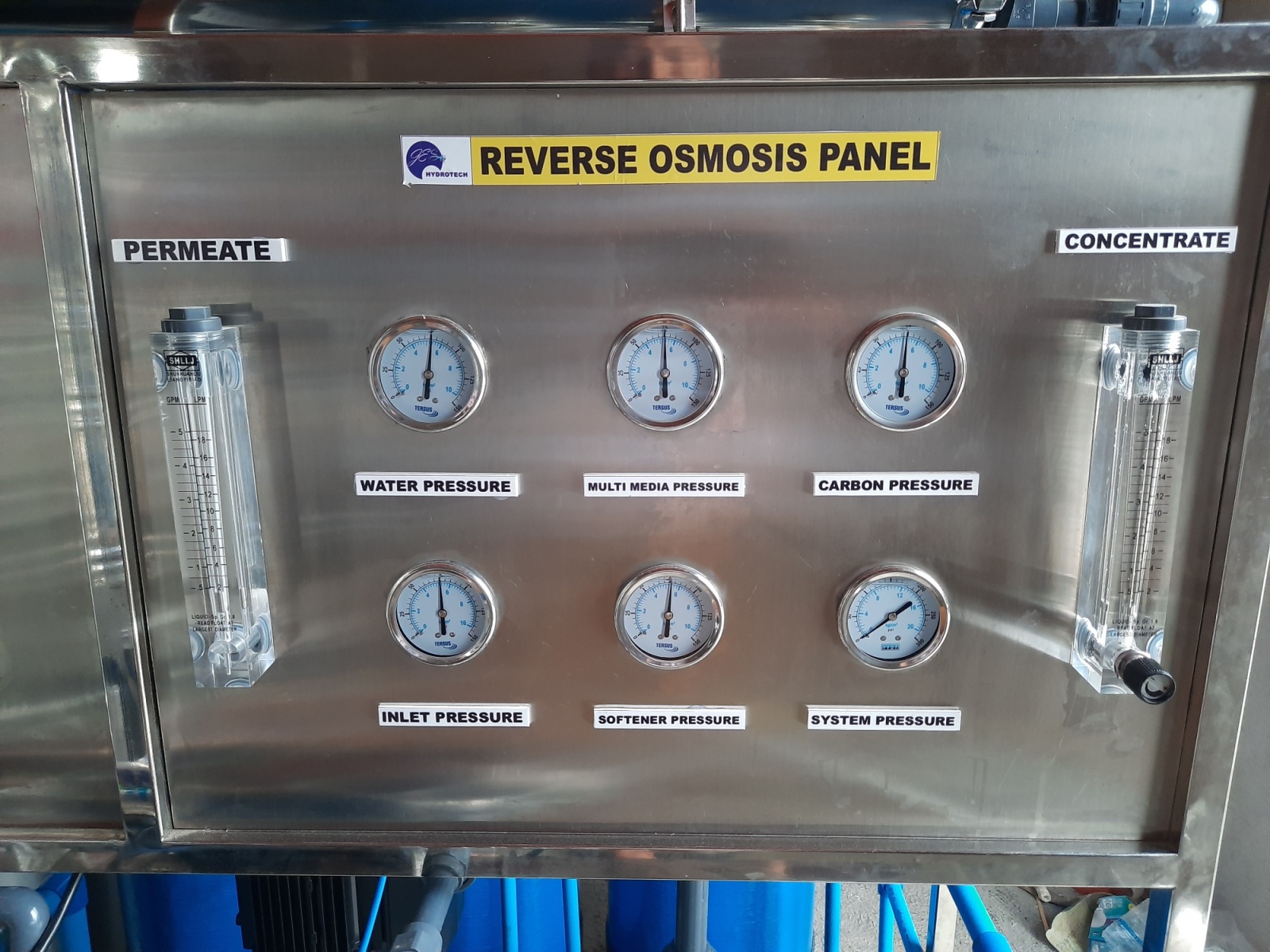
Perhaps the most interesting part of this installation is its reverse osmosis system.
Reverse osmosis, commonly referred to as RO, is a water purification technology that uses pressure to push water through a semipermeable membrane.
The membrane separates much of the dissolved material from the treated water.
This technology is widely used in commercial drinking water systems, food processing facilities, laboratories, and industrial water treatment installations.
In this residential project, the reverse osmosis arrangement forms part of a larger water treatment installation.
The treatment sequence incorporates additional carbon filtration and fine filtration stages to prepare the water before it reaches the RO membrane.
The system is intended to reduce a range of dissolved substances and other unwanted contaminants, depending on the incoming water characteristics and the specifications of the membranes.
Unlike conventional sediment filters, which mainly capture suspended particles, reverse osmosis can reduce many dissolved substances that are too small to be removed through ordinary mechanical filtration.
However, proper pretreatment and regular membrane maintenance are essential to maintain its performance.
Ultraviolet Water Disinfection: An Additional Layer of Protection
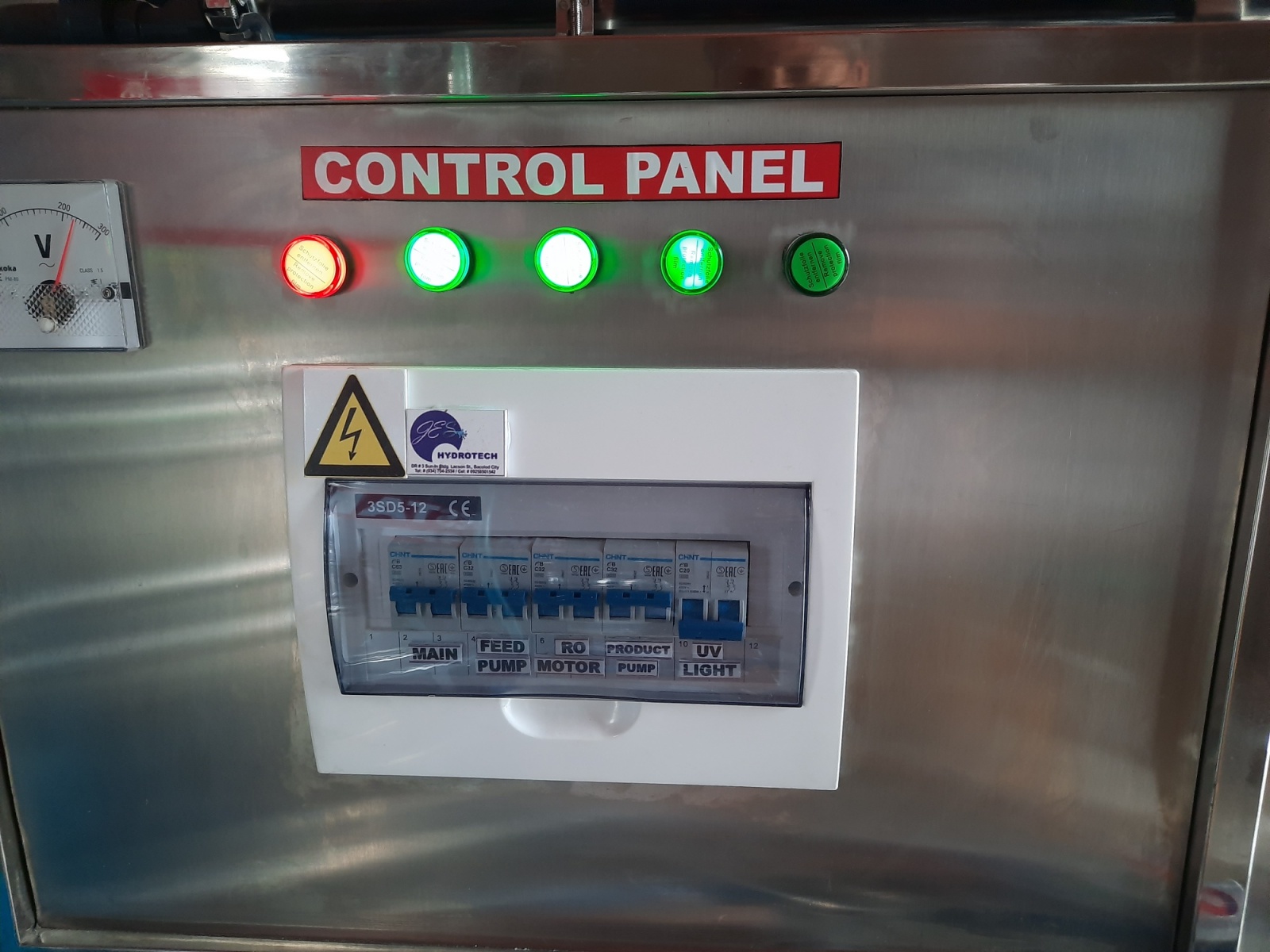
The final component of the treatment arrangement is an industrial-size ultraviolet (UV) disinfection unit.
UV water treatment uses ultraviolet light to inactivate microorganisms by damaging their genetic material and preventing them from reproducing.
This technology is commonly used as an additional disinfection stage in water treatment facilities.
It is particularly useful when water quality requires microbiological treatment beyond what conventional filtration can provide.
However, UV treatment is not a substitute for proper filtration, and it does not remove dissolved chemicals or minerals. Its effectiveness also depends on water clarity, UV intensity, flow rate, and equipment maintenance.
For this reason, the complete treatment system should be evaluated as one integrated installation rather than relying on any single component.
Proper water testing is also important to verify that the treated water meets the intended quality requirements.
Why Combine Water Softening, Reverse Osmosis, and UV Treatment?
These technologies serve different purposes.
A water softener addresses hardness minerals. Reverse osmosis reduces many dissolved substances. Ultraviolet treatment provides an additional microbiological disinfection stage.
When properly designed, they can complement one another.
For a property with several planned buildings, this arrangement can be particularly useful because water treatment can be organized centrally rather than installing separate oversized equipment in every house.
However, the treatment system must be correctly sized according to the total expected water demand, peak flow requirements, source-water quality, and intended applications.
The system also needs appropriate storage capacity, drainage provisions, electrical connections, and maintenance access.
This is why water treatment installations should ideally be considered during the planning and construction stages rather than added as an afterthought.
A 1,400-Square-Meter Compound Designed for a Different Purpose
Beyond the house itself, the larger property is what makes this project particularly interesting.
The approximately 1,400-square-meter compound was envisioned as a place where cats could be sheltered and cared for.
The owners wanted a property that could accommodate their intended activities while providing sufficient space for future residential structures.
One of the interesting details is the perimeter fencing.
The design incorporates large interlink metal mesh openings intended to allow cats to move through the compound while helping keep larger animals, such as dogs and goats, outside.
The property was therefore not planned as a conventional residential subdivision or an ordinary family compound.
Its requirements were different, and the buildings and supporting infrastructure had to reflect that.
The first house was designed as a practical accommodation within the larger development, while the water treatment installation anticipated the needs of the additional houses.
This is a good reminder that architectural design should begin with understanding the intended use of a property.
A house designed for a family of five, a vacation residence, a rental apartment, and a compound intended to shelter animals may all require very different planning approaches.
Lessons for Homeowners Planning to Build in the Philippines
There are several practical lessons that can be learned from this project.
First, do not underestimate the importance of water quality.
Homeowners often pay considerable attention to their kitchens, bathrooms, and interior finishes but overlook the quality of the water entering their properties.
Water supply and treatment deserve attention, especially when the source is a private well or when water quality is inconsistent.
Second, plan for future expansion.
If you intend to construct additional houses, rental units, or other buildings on your property, consider their future utility requirements before completing the first structure.
It may be more practical to provide centralized water treatment, storage, and distribution infrastructure than to modify the entire installation later.
Third, simple architectural designs can be very effective.
Not every project requires elaborate architectural detailing. A well-planned, straightforward building can provide the necessary functionality while allowing more of the construction budget to be allocated to important infrastructure.
Fourth, choose technology according to actual requirements.
An industrial-scale water treatment system is not necessary for every household. The correct installation depends on water analysis, daily consumption, peak demand, and the intended use of treated water.
The objective should always be to select equipment that solves a real problem rather than simply installing expensive technology for its own sake.
Our Approach to Practical Residential Construction
Having grown up around the construction industry, I have always appreciated the value of practical design.
My father Pompie and my Uncle Caloy spent much of their working lives building houses around Cebu and Negros during the 1970s and 1980s.
Those were different times. Residential construction was often straightforward, using familiar materials, local carpenters, and designs that responded to the needs of ordinary Filipino families.
Much has changed since then.
Today, homeowners have access to better construction materials, more sophisticated building technologies, advanced water treatment systems, and architectural solutions that were not readily available to previous generations.
But one principle remains important: a house should be designed around the actual needs of its occupants.
Whether it is a modest bungalow, a two-storey family residence, a rental apartment, or a specialized property such as this cat shelter compound, good planning is about making the available space, materials, labor, and budget work together.
At CVCena.com, we share residential construction projects, design ideas, building experiences, and practical information to help property owners understand the many decisions involved in creating a home.
Our work and interests cover new house construction, renovations, architectural planning, interior and exterior design, and construction project management.
We believe that homeowners should be able to explore different possibilities before deciding how to build.
Sometimes, the best solution is a simple house with a practical floor plan. In other situations, it may be a modern insulated home, an expanded family residence, or a property equipped with specialized infrastructure.
There is no single formula for every construction project.
The important thing is knowing what you want to achieve and finding the most appropriate way to accomplish it.
Thinking of Building a Home or Developing Your Property?
If you are planning to build in Cebu, Mactan, Bohol, Iloilo, Negros, or elsewhere in the Visayas, it is worth discussing your requirements with your designer and construction team before starting.
Consider not only the appearance of the house but also its plumbing, water supply, electrical systems, drainage, ventilation, and provisions for future expansion.
These are the details that can make a considerable difference in the long-term usefulness of a property.
Whether you are planning a simple residential house or a more specialized development, CVCena.com can help you explore design, planning, and construction possibilities.
A good home does not have to be extravagant. It has to be thoughtfully planned, properly built, and suited to the way you intend to live.
CVCena.com – Design, Build, and Construction Project Management.
Practical ideas. Experienced workmanship. Better ways to build.